

Solar Water Heating System
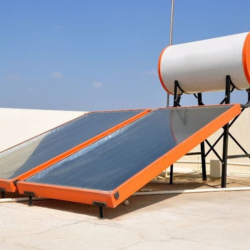
Solar water heating systems provide an efficient, eco-friendly solution for heating water using renewable solar energy. These systems are widely used in residential homes, hotels, hospitals, hostels, and industrial facilities to reduce electricity or fuel consumption while ensuring a continuous supply of hot water.
By utilizing advanced solar thermal technology, these systems capture sunlight and convert it into heat energy, which is transferred to water stored in insulated tanks. This process significantly lowers energy costs and reduces carbon emissions, making it a sustainable alternative to conventional electric or gas water heaters.
The system operates through a smart and efficient process: During daylight hours, solar collectors (either flat plate collectors or evacuated tube collectors) absorb solar radiation and convert it into heat. This heat is transferred to water flowing through the system, which is then stored in a well-insulated storage tank to maintain temperature for extended periods. In thermosyphon systems, hot water naturally rises and circulates without the need for pumps, while in forced circulation systems, pumps are used for larger installations. Backup heating options (electric or gas) can also be integrated to ensure hot water availability during cloudy days.
Modern solar water heaters are designed with high-efficiency collectors, corrosion-resistant materials, and advanced insulation to deliver reliable performance for 10–15 years. These systems are easy to install, require minimal maintenance, and are suitable for both rooftop and ground-mounted applications.
With a typical payback period of 2–4 years, solar water heating systems offer a cost-effective and long-term solution for reducing energy bills while promoting environmental sustainability.
How It Works:
Solar Heat Collection
High-efficiency solar collectors (Flat Plate Collectors or Evacuated Tube Collectors) absorb sunlight and convert it into heat energy.Heat Transfer to Water
The absorbed heat is transferred to water flowing through the collector tubes.Hot Water Storage
Heated water is stored in a well-insulated tank to retain temperature for long durations.Natural or Pump Circulation
Water circulates either naturally (thermosyphon system) or through pumps (forced circulation system) depending on system size.Hot Water Supply
Stored hot water is supplied for domestic or commercial use, with optional backup heating for uninterrupted availability.